
How Filipino Brands Are Using Social Media to Build Online Communities
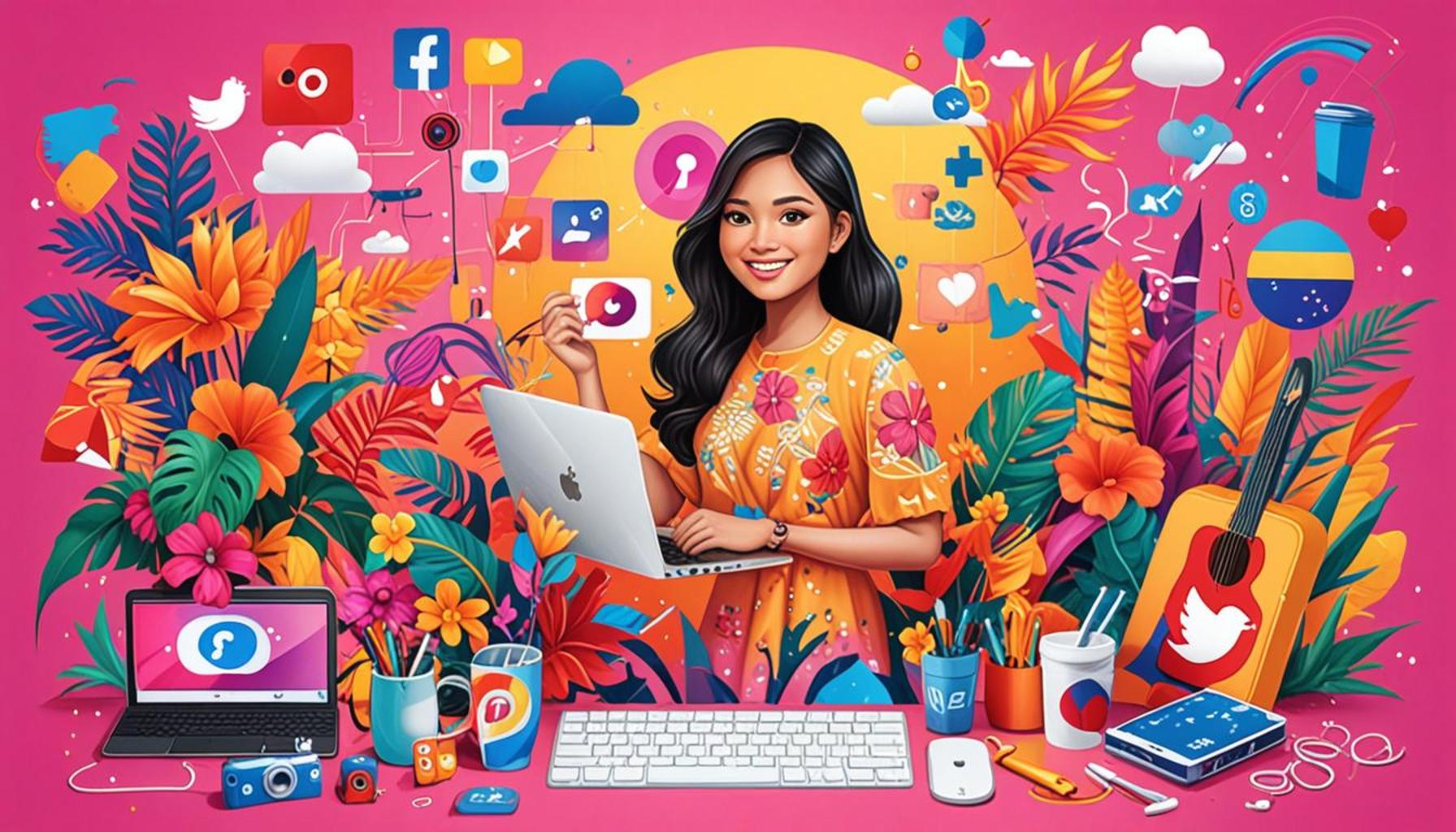
The Impact of Social Media on Filipino Brands
In recent years, social media has transformed the way brands connect with their audiences. For many Filipino brands, platforms like Facebook, Instagram, and Twitter have become invaluable tools for creating vibrant online communities. These platforms allow brands to engage with their customers in real time, fostering connections that can lead to long-term relationships.
One of the most powerful ways Filipino brands engage with their audiences is through storytelling. By sharing relatable narratives that reflect local culture and traditions, brands can create a sense of familiarity and connection. For example, a local food brand might share a heartwarming story about a grandmother’s traditional recipe being passed down through generations. This kind of content resonates with many Filipinos who value family and heritage, strengthening their emotional ties to the brand.
Another effective strategy is the use of user-generated content. Filipino brands often encourage customers to share their experiences with their products on social media. A popular clothing brand might feature photos of customers model their outfits, thereby not only showcasing their merchandise but also making customers feel valued and recognized. This practice not only boosts engagement but also provides authentic testimonials that can attract new customers.
Interactive campaigns are also a key tool in social media marketing for Filipino brands. Campaigns that include contests or polls not only encourage participation but also make followers feel invested in the brand’s success. For instance, a local beverage company may run a poll asking customers to vote for a new flavor, creating excitement and a sense of ownership among the community. Such interactions help to build a loyal customer base that feels connected to the brand’s journey.
Moreover, many Filipino brands are increasingly focusing on social responsibility. By aligning their brand values with social causes that matter to their community, they can resonate even more deeply with consumers. Brands like BPI have launched initiatives to support education and disaster relief in the Philippines, highlighting their commitment to social issues. This approach not only enhances brand image but also fosters a community of advocates who believe in the brand’s mission.
This multifaceted approach to social media not only enhances brand visibility but also turns customers into advocates. By leveraging these platforms effectively, brands can create a sense of belonging among their followers, ultimately leading to stronger customer relationships. Engaging with customers authentically in this way cultivates trust, which is invaluable in today’s competitive market.
CHECK OUT: Click here to explore more
Engaging Through Thoughtful Content
One of the most significant ways Filipino brands utilize social media to build online communities is through thoughtful and engaging content. Effective content is not just about promotions; it revolves around creating a genuine dialogue with followers. Brands recognize that to form a lasting connection, they need to understand and cater to their audience’s interests and needs.
For example, beauty brands in the Philippines have successfully created communities by sharing not only product tutorials but also beauty tips that are specific to the Filipino skin type and climate. They often post videos showing how to achieve trendy looks using local products, thereby resonating with their audience. Such content not only entertains but also educates, making followers feel informed and included.
Filipino brands also leverage live events and webinars on platforms like Facebook Live and Instagram Live to interact with their audiences in real time. These events can include Q&A sessions where followers can directly ask questions about the products or the brand’s initiatives. This instant interaction enhances the connection between the brand and its customers, fostering a strong sense of community.
- Webinars on best practices: A fashion brand might host a live session discussing how to mix and match outfits for various Filipino occasions.
- Interactive product launches: Brands often invite their followers to participate in virtual launch events where they can ask questions and give feedback on new products.
- Collaboration with local influencers: By partnering with social media influencers who resonate with their target market, brands can tap into established communities and foster authentic connections.
Moreover, social media has made it easier for Filipino brands to showcase their local roots. By highlighting local suppliers, artisans, and cultural symbols in their campaigns, brands can show their commitment to promoting the Filipino identity. For instance, a furniture brand might use locally sourced materials and traditional designs in its promotional content, attracting consumers who value sustainability and local craftsmanship.
The importance of consistent branding cannot be overstated. By maintaining a uniform voice and visual style across various social media platforms, brands can create a recognizable identity that strengthens the community. This consistency helps followers know what to expect, making them more likely to engage and participate in conversations surrounding the brand.
To further encourage community interaction, many brands create dedicated social media groups where customers can share reviews, product experiences, and tips. These groups provide a space for customers to connect not just with the brand but also with each other, fostering a shared sense of belonging. Through these groups, brands can gather valuable feedback and insights that inform future initiatives, further enriching the community experience.
SEE ALSO: Click here to read another article
Creating Inclusive Experiences
Another essential aspect of how Filipino brands are using social media to build online communities is through creating inclusive experiences. This strategy goes beyond merely promoting products; it encompasses the brand’s ability to make every follower feel like a valued member of the community. Achieving this sense of belonging often involves celebrating shared cultural experiences and addressing local issues in a relatable way.
Filipino food brands, for example, tap into the rich culinary heritage of the country. They frequently share user-generated content featuring local dishes or recipes that utilize their products, encouraging followers to showcase their culinary creations. This approach not only fosters engagement but also brings people together by celebrating Filipino culture. Followers feel proud to share their recipes and family traditions, making the brand a part of their everyday lives.
Moreover, Filipino brands embrace social responsibility by addressing important issues within the community. Brands like clothing companies often launch campaigns that focus on sustainability and ethical fashion. They leverage social media to educate consumers about the harmful effects of fast fashion while advocating for a more sustainable lifestyle. By encouraging followers to participate in activities such as clothing swaps or thrift sales, these brands create a purpose-driven community that resonates deeply with socially conscious consumers.
Utilizing User-Generated Content
Another effective strategy is the use of user-generated content (UGC). Filipino brands actively invite their customers to share their experiences with products on social media. This can be through photos, videos, or testimonials highlighting how the product fits into their lives. For example, a local skincare brand might encourage its followers to post “before and after” photos showing the effects of its products, using a dedicated hashtag. This process not only builds trust but also allows customers to feel like they play a role in the brand’s story.
By regularly featuring UGC on the brand’s official page, companies acknowledge their customers’ contributions while inspiring others to join the conversation. When followers see real people sharing genuine experiences, they are more likely to connect with the brand and perceive it as approachable and relatable. This strategy fosters a sense of community while effectively marketing the brand through authentic experiences.
The Power of Contests and Challenges
Engagement is often heightened through contests and challenges that encourage followers to partake activiely. Filipino brands frequently design fun social media challenges where customers can showcase their creativity and earn recognition. For instance, a local snack brand might initiate a photo challenge for followers to capture the best picnic moments featuring its snacks, with a prize for the most captivating submission. Such initiatives not only bring the online community together but also generate excitement around the brand.
- Engagement opportunities: Contest participants often tag friends, expanding the community while introducing new potential customers.
- Region-specific campaigns: Brands can tailor contests to reflect local festivals, encouraging participation with themes that resonate on a cultural level.
- Collaborative challenges: Partnering with influencers to host challenges can significantly amplify reach and attract varied audiences.
Overall, through inclusive experiences, user-generated content, and engaging challenges, Filipino brands are mastering the art of community building on social media. By prioritizing authenticity and connection, these brands can create vibrant online communities that embrace Filipino culture and values.
CHECK OUT: Click here to explore more
Conclusion
In conclusion, Filipino brands have harnessed the power of social media to cultivate thriving online communities that go beyond mere transactional relationships. By focusing on inclusivity and celebrating shared cultural experiences, these brands effectively create environments where followers feel valued and connected. Through engaging campaigns that spotlight user-generated content, brands successfully transform their customers into brand ambassadors, which fosters a sense of trust and community engagement. Additionally, initiatives such as contests and challenges not only spark excitement but also encourage participation, further solidifying the relationships between the brand and its consumers.
The dynamic approach of addressing social responsibility also plays a pivotal role in the community-building process. Brands that prioritize sustainability and ethical practices resonate strongly with socially conscious consumers, making the movement feel deeper and more impactful. By aligning their missions with the values of their audience, these brands contribute meaningfully to local issues while establishing strong emotional bonds with their followers.
As social media continues to evolve, Filipino brands are likely to face new challenges and opportunities in their community-building efforts. Staying attuned to their audience’s needs and maintaining authentic connections will be crucial for long-term success. Ultimately, the innovative strategies employed by these brands not only enhance customer loyalty but also contribute positively to the fabric of Filipino culture, fostering a vibrant community that reflects shared values and experiences.

Linda Carter
Linda Carter is a writer and marketing specialist who helps businesses and entrepreneurs build strong brands and effective growth strategies. With extensive experience guiding companies to increase their market visibility and make data-driven decisions, she shares practical marketing insights on our platform. Her goal is to empower readers with actionable advice and proven techniques to achieve sustainable business growth and marketing success.