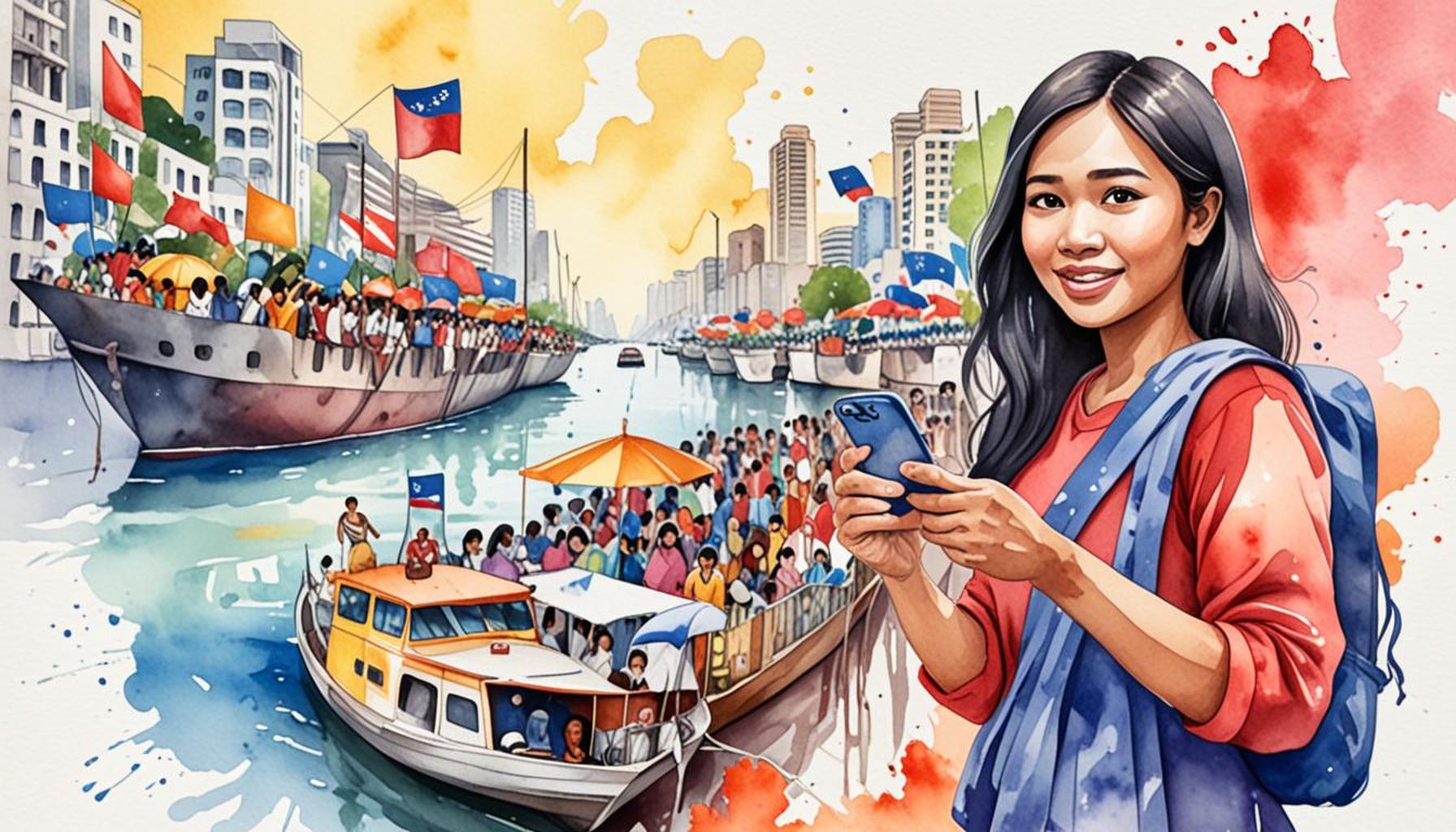
The Influence of Social Media on Fashion Trends in the Philippines
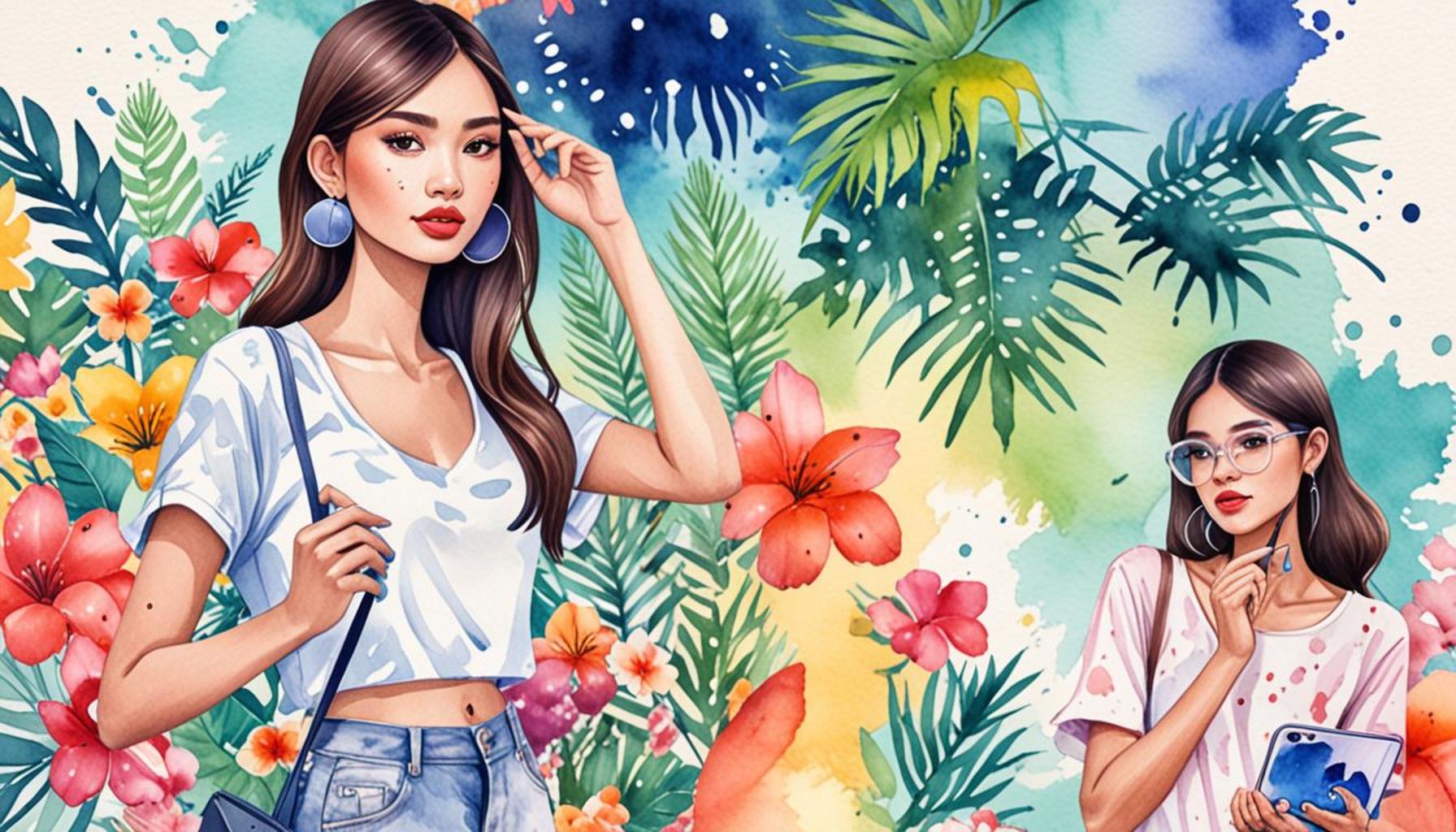
Impact of Social Media on Fashion Trends in the Philippines
Over the past few years, the landscape of fashion in the Philippines has undergone a remarkable transformation, largely driven by the influence of social media. Platforms like Instagram and TikTok have become essential tools for self-expression among Filipino youth, exposing them to an array of styles ranging from streetwear to high fashion.
Accessibility to Global Trends
One of the primary advantages of social media is its ability to deliver instant access to the latest fashion trends from around the globe. Filipino users can follow international fashion weeks and see real-time updates from renowned designers. For example, a student in Manila can easily browse through the latest collection showcased at Paris Fashion Week. This accessibility allows them to quickly adapt and incorporate these trends into their personal style, merging global influences with local aesthetics. As a result, you might see a traditional Barong Tagalog paired with modern sneakers, creating a unique look that pays homage to Filipino culture while staying trendy.
The Role of Influencer Culture
The rise of influencer culture has also played a significant role in shaping fashion in the Philippines. Local influencers and celebrities wield immense power when it comes to setting trends. For instance, popular figures like Heart Evangelista and Liz Uy often share their outfits and styling tips on social media, inspiring their followers to experiment with fashion. Through partnerships with local brands, these influencers highlight emerging designers and promote thrift shopping, encouraging sustainable fashion practices among their audience. The power of an influencer’s endorsement can turn a lesser-known brand into a household name overnight.
Community Engagement and Collaboration
Social media platforms foster significant community engagement, which is particularly apparent in the Filipino fashion scene. Users often collaborate by sharing styling tips or hosting online boutiques showcasing local artisans. This sense of community does not just stop at sharing photos; it extends to discussions surrounding body positivity, inclusivity, and unique representations of Filipino culture. Through hashtags and challenges, such as #OOTD (Outfit of the Day), users form connections that reinforce their identities while celebrating individuality.
Reflecting Cultural Dynamics
In a vibrant country like the Philippines, where traditional and contemporary cultures intersect, social media reflects and amplifies these dynamics. Young Filipinos are now able to blend traditional outfits with modern styles, leading to an eclectic fashion scene that resonates with their cultural identity. For instance, during local festivities, it is common to see vibrant HIV (Hiligaynon Inspired Vintage) clothing accessorized with trendy bags or footwear, illustrating how social media facilitates a dialogue between past and present fashion narratives.
In conclusion, the influence of social media on fashion trends in the Philippines is a multifaceted phenomenon that extends beyond mere appearances. It encapsulates the power of inclusivity, creativity, and cultural exchange, allowing Filipinos to express their unique identities in increasingly dynamic ways. As more individuals engage with these platforms, the future of Philippine fashion promises to be as diverse and vibrant as its people, continually evolving in response to both local and global influences.
SEE ALSO: Click here to read another article
Accessibility to Global Trends
One of the primary advantages of social media is its ability to deliver instant access to the latest fashion trends from around the globe. Filipino users can follow international fashion weeks and see real-time updates from renowned designers. For example, a student in Manila can easily browse through the latest collection showcased at Paris Fashion Week. This accessibility allows them to quickly adapt and incorporate these trends into their personal style, merging global influences with local aesthetics. As a result, you might see a traditional Barong Tagalog paired with modern sneakers, creating a unique look that pays homage to Filipino culture while staying trendy.
The Role of Influencer Culture
The rise of influencer culture has also played a significant role in shaping fashion in the Philippines. Local influencers and celebrities wield immense power when it comes to setting trends. For instance, popular figures like Heart Evangelista and Liz Uy often share their outfits and styling tips on social media, inspiring their followers to experiment with fashion. Through partnerships with local brands, these influencers highlight emerging designers and promote thrift shopping, encouraging sustainable fashion practices among their audience. The power of an influencer’s endorsement can turn a lesser-known brand into a household name overnight.
Community Engagement and Collaboration
Social media platforms foster significant community engagement, which is particularly apparent in the Filipino fashion scene. Users often collaborate by sharing styling tips or hosting online boutiques showcasing local artisans. This sense of community does not just stop at sharing photos; it extends to discussions surrounding body positivity, inclusivity, and unique representations of Filipino culture. Through hashtags and challenges, such as #OOTD (Outfit of the Day), users form connections that reinforce their identities while celebrating individuality. For example, users may create content around local designers, discuss their inspirations, or even share thrifted finds, fostering a sense of belonging and creativity.
Reflecting Cultural Dynamics
In a vibrant country like the Philippines, where traditional and contemporary cultures intersect, social media reflects and amplifies these dynamics. Young Filipinos are now able to blend traditional outfits with modern styles, leading to an eclectic fashion scene that resonates with their cultural identity. For instance, during local festivities, it is common to see vibrant HIV (Hiligaynon Inspired Vintage) clothing accessorized with trendy bags or footwear, illustrating how social media facilitates a dialogue between past and present fashion narratives.
Social media has encouraged a culture of experimentation, where young Filipinos feel empowered to try new looks and adapt styles that resonate with their heritage and personal expression. The influx of digital content has democratized fashion, allowing everyday individuals to share their interpretations of style without relying solely on traditional fashion gatekeepers.
CHECK OUT: Click here to explore more
The Impact of User-Generated Content
User-generated content (UGC) has become a powerful force in shaping fashion trends in the Philippines. Platforms like Instagram, TikTok, and Facebook allow everyday users to become fashion influencers simply by sharing their outfits, styling tips, or makeup looks. This shift democratizes fashion, as users no longer need to depend on established authorities. A teenager in Cebu, for example, can share a creative outfit inspired by her local culture, and within days, that post may resonate with thousands, encouraging others to embrace similar styles.
The Power of Visual Storytelling
Visual storytelling plays a crucial role in how fashion trends evolve on social media. Young Filipinos are increasingly using imagery to express themselves. By creating visually appealing posts, they can tell compelling stories about their fashion choices. For instance, an aspiring designer might showcase their creations through a series of Instagram stories highlighting the inspiration behind each piece, the materials used, and how they can be styled. This form of engagement not only promotes individual brands but also encourages others to appreciate Filipino craftsmanship and heritage.
Local Brands and Small Businesses
Social media has significantly impacted local brands and small businesses in the Filipino fashion industry. By utilizing social media marketing strategies, these enterprises can reach potential customers directly without the need for traditional advertising. Platforms like Facebook Marketplace and Instagram shopping have enabled local entrepreneurs to showcase their products effectively. For example, a small business that sells handwoven bags made by artisans in Mindanao can share customer testimonials and styling ideas, establishing a loyal following and stimulating interest in Filipino-made products. This has resulted in a more vibrant and diverse market where customers are increasingly choosing to support local over international brands.
The Role of Fashion Challenges and Trends
Social media trends often come in waves, thanks to challenges that encourage participation and creativity. Filipino users actively engage in trending challenges, such as the #PangalawangBuhay, where participants showcase how they repurpose old or thrifted clothes to create fresh new looks. These challenges not only drive engagement but also promote sustainability within the fashion landscape. By inspiring others to rethink their clothing choices, users contribute to a growing awareness about over-consumption and the benefits of ethical fashion.
Content creators are quick to hop onto these trends, showcasing their interpretations and inspiring others to join in. This ripple effect can turn a simple challenge into a nationwide phenomenon, with thousands of young Filipinos showcasing their creative prowess while creating a sense of community and belonging.
Fashion Education through Social Media
Beyond showcasing styles, social media also serves as a platform for fashion education. Young Filipinos are increasingly turning to platforms for tips on how to mix and match clothes, choose the right accessories, or follow current trends responsibly. Many influencers and fashion-forward individuals use their platforms to educate their followers about the importance of caring for clothes, understanding body shapes, or even the functionality of fabrics suitable for tropical weather.
For instance, a local fashionista might share a tutorial on how to layer outfits for both style and comfort given the hot and humid climate of the Philippines, enabling others to express their style while being practical. This blend of education and inspiration helps younger generations make informed fashion choices, ensuring they remain stylish while respecting both their bodies and environment.
SEE ALSO: Click here to read another article
Conclusion
In summary, the influence of social media on fashion trends in the Philippines is both profound and multifaceted. Platforms like Instagram, TikTok, and Facebook have revolutionized how fashion is perceived and experienced, allowing individuals to express themselves creatively and authentically. The rise of user-generated content has democratized the fashion scene, enabling everyday Filipinos to become trendsetters within their communities, while local brands and small businesses flourish through targeted social media marketing.
Moreover, social media encourages engagement through challenges and trends that resonate with the younger generation, promoting not just creativity but also a sustainable approach to fashion. These platforms serve as effective channels for fashion education, guiding young people to make informed choices about their wardrobe while cultivating an appreciation for local craftsmanship and cultural heritage.
The ongoing evolution of fashion trends in the Philippines, influenced by social media, reflects a vibrant tapestry of culture, creativity, and community. As we move forward, it is essential to recognize and harness the potential of social media not just as a tool for self-expression but also as a means to foster a more inclusive, sustainable, and culturally aware fashion industry. By embracing these dynamic changes, we pave the way for a future where creativity thrives, and local narratives are celebrated on a global stage.

Linda Carter
Linda Carter is a writer and marketing specialist who helps businesses and entrepreneurs build strong brands and effective growth strategies. With extensive experience guiding companies to increase their market visibility and make data-driven decisions, she shares practical marketing insights on our platform. Her goal is to empower readers with actionable advice and proven techniques to achieve sustainable business growth and marketing success.