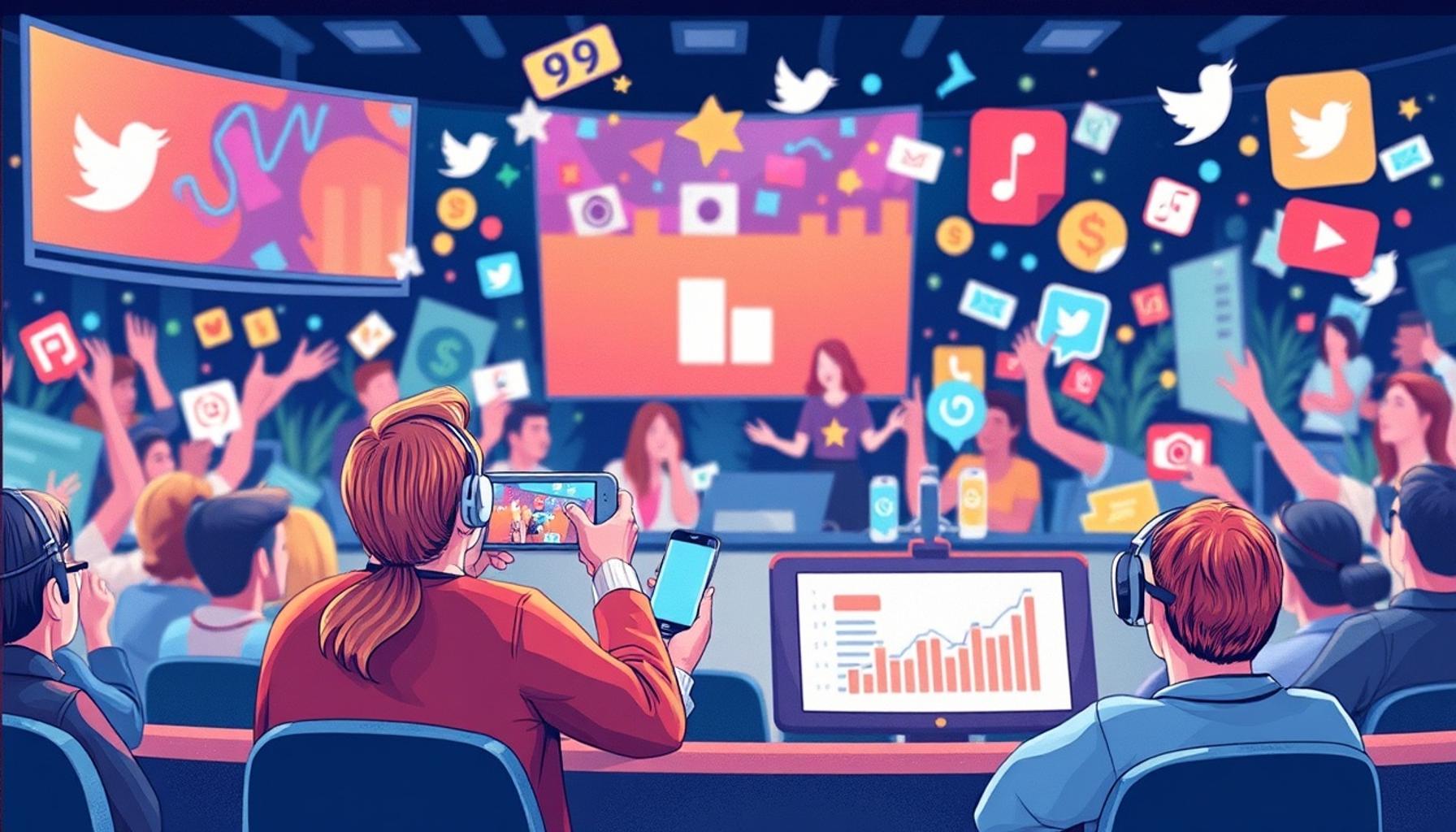
The Effect of Live Streaming Events on User Engagement with Series

The Evolution of Audience Interaction in Streaming Media
The advent of live streaming events has significantly reshaped the landscape of viewer engagement within the entertainment sector. The immediacy and interactivity offered by these events create a dynamic atmosphere where audiences feel more connected to the content and its creators. In the wake of this transformation, understanding its implications has become vital for producers and marketers navigating this rapidly evolving space.
Immediate Feedback: An Interactive Experience
One of the most striking features of live streaming is the ability for audiences to provide immediate feedback on plot twists or character arcs. For instance, during a live episode of a popular British drama, such as “Line of Duty,” viewers can tweet their reactions or comment in real-time. This instantaneous feedback not only generates buzz but can also guide the conversation and shape the narrative journey of the show. As discussions unfold on social media platforms, they amplify viewers’ emotional responses, fostering a community spirit that extends beyond the screen.
Community Building: Shared Experiences
Live streams have transformed solitary viewing into a shared experience, with features like live chats, social media interactions, and virtual watch parties. Fans can bond over their favourite series, such as “The Great British Bake Off,” engaging in playful banter during nail-biting moments or sharing heartfelt reactions as episodes air. Such community building is further driven by platforms like Discord, where dedicated fan groups can come together to discuss plot theories, favourite characters, and anticipated plotlines.
Event-Based Marketing: Driving Viewership
Live streaming also opens doors to innovative event-based marketing strategies. Exclusive live events, like premieres or behind-the-scenes tours, can entice audiences to tune in and engage with the content in a way that standard marketing campaigns may not achieve. For instance, a platform might host a live Q&A session with cast members from a new series, generating excitement and drawing viewers eager to learn more about the show before its release. This strategy not only boosts viewership numbers but can also lead to increased subscriptions to streaming platforms.
Challenges and Opportunities for Creators
As platforms increasingly incorporate live events, such as Q&A sessions or special live performances into their offerings, the landscape of audience interaction is evolving at an unprecedented pace. This shift presents both opportunities and challenges for series creators, as they must adapt to an audience that now expects more than merely passive consumption. The need for engaging content in real-time is evident, thus pushing creators to craft not just episodes, but holistic viewing experiences.
Exploring the effect of live streaming events on viewer engagement reveals unique dynamics in audience behaviour and offers clearer pathways for content creators. As they capture the essence of community and real-time interaction, they also raise the question of how such changes will ultimately redefine the narrative experience in today’s digital age. With the stakes higher than ever, understanding and adapting to these trends is crucial for those in the entertainment industry seeking to captivate and sustain their audience’s interest.
Changing the Game: The Impact of Live Streaming on User Engagement
The rise of live streaming events reflects a fundamental shift in how audiences consume content, driving deeper engagement than ever before. With platforms like Netflix and Disney+ beginning to incorporate live elements into their offerings, audiences are no longer passive spectators; they have transformed into active participants in the storytelling process. This transition, while offering exciting opportunities for engagement, also presents unique challenges for content creators striving to maintain viewership.
Building Anticipation Through Live Events
Live streaming fosters a sense of anticipation that traditional episodic releases often lack. By strategically timing live events, such as season premieres or special episodes, creators can build excitement around key moments. For example, the live streaming of the final season premiere of “Game of Thrones” generated massive buzz on social media platforms, where millions of fans worldwide eagerly awaited the episode while participating in live discussions. This collective build-up not only heightens viewers’ emotional investment in the storyline but also enhances their overall viewing experience.
The Role of Social Media in Viewer Interaction
Social media serves as a powerful amplifier for engagement during live events. Platforms like Twitter and Instagram provide fans with a direct line of communication to both content creators and each other. During live episodes, the ability to share thoughts, memes, and reactions in real-time transforms the viewing experience into a communal event. In fact, data from the last series finale of “The Office” revealed that social media posts during the live airings increased significantly, with users generating over 2 million tweets in just one evening. This instantaneous interaction reinforces viewer loyalty and can influence the broader perception of the series, often affecting how the content is consumed in the future.
Unique Engagement Metrics: Measuring Success
The metrics for evaluating viewer engagement have evolved due to live streaming. Beyond traditional measures such as viewership numbers, platforms are now focusing on real-time engagement statistics, which include:
- Live Chat Participation: The number of viewers participating in live chats during events signifying heightened engagement.
- Social Media Mentions: Tracking the volume of conversations surrounding a show’s live event, indicating viewer connection.
- Post-Event Surveys: Gathering feedback immediately after live streams to gauge audience satisfaction and interest levels.
By analysing these new metrics, content creators can adapt their strategies to meet audience expectations, tailoring future series based on viewer preferences expressed during live events.
Engagement Beyond the Event
Importantly, the effects of live streaming events extend beyond the immediate interaction. They create a ripple effect, sustaining viewer engagement long after the live event concludes. For instance, characters discussed during a live premiere may continue to be trending topics days later, contributing to an ongoing dialogue about the series. This prolonged engagement can translate into improved audience retention rates and broader brand loyalty, all driven by the interactive nature of live streaming.
As the industry continues to explore the effect of live streaming events on user engagement with series, it becomes increasingly clear that this method of interaction has profound implications. The fusion of real-time connectivity and collective experience is a defining factor that could well dictate the future of television and streaming media at large.
| Advantage | Description |
|---|---|
| Enhanced Interaction | Live streaming events create a platform where audiences can engage in real-time discussions, prompting immediate reactions, questions, and commentary concerning the series being streamed. |
| Increased Viewership | The integration of live events often leads to spikes in viewership numbers, as fans are more likely to tune in for exclusive live content that fits within the larger narrative of the series. |
| Community Building | Participating in live events fosters a sense of community among viewers, as they unite in their shared interests, enhancing loyalty to the series and its brand. |
| Real-Time Feedback | Producers and creators can gauge audience reactions and preferences instantly, allowing for real-time adaptations and reinforcing viewer connection to the series. |
Enhancing User Experience Through Interactive Features
As live streaming becomes integral to series engagement, platforms are adapting by incorporating interactive features that enrich the viewer experience. Tools such as polls, quizzes, and fan voting during live events not only promote participation but also allow audiences to feel a sense of ownership in the storyline. For instance, during live viewings of “The Great British Bake Off,” viewers can vote for their favourite bakes and help determine the show’s outcomes. Such features foster a personal connection to the content, resulting in enhanced emotional investment and a greater likelihood of binge-watching future episodes.
Creating Exclusive Content and Behind-the-Scenes Access
Another effective strategy for maintaining engagement is providing exclusive content surrounding live events. This could take the form of behind-the-scenes footage, interviews with cast members, or even live Q&A sessions after episodes. For example, after the live finale of “Love Island,” social media platforms abounded with cast interviews discussing their experiences on the show. Such exclusivity fosters a deeper connection between viewers and the series, encouraging fans to tune in not just for the episodes, but for the additional insights and narratives that enrich their viewing experience. This multi-faceted approach to content can significantly impact overall audience retention.
Building Community Through Fan Engagement
The community aspect of live streaming cannot be overlooked. Fan forums and dedicated social media groups have become essential to the viewing experience. Audiences often share theories and interpretations during live events, cultivating a sense of belonging and shared enthusiasm. For instance, fan interactions on Reddit, particularly in subreddits dedicated to series like “Stranger Things,” provide a space for in-depth analysis and speculation following live events. This collaborative discourse not only extends engagement time but also nurtures a loyal viewer base, transforming casual viewers into dedicated fans.
Comparisons with Traditional Viewing Habits
The shift to live streaming also highlights stark contrasts with traditional viewing habits. In the past, viewers would watch episodes at their convenience, often creating isolated experiences. In contrast, live streaming events promote shared experiences, where audiences can discuss and react to content in real time. This shared intimacy is particularly evident during high-stakes moments, such as cliffhangers or shocking twists that prompt instant viewer reaction. A survey conducted by Barometer revealed that 83% of respondents watch shows live to experience communal reactions rather than binge-watch later—marking a significant change in audience behaviour and preferences.
The Future of Series Engagement
With the landscape of content consumption continually evolving, understanding the impact of live streaming events on user engagement is essential for both content creators and viewers. As live interactions expand, series are likely to integrate more innovative features aiming to captivate audiences and encourage participation. The ability to measure and adapt to engagement trends will determine not only the longevity of individual series but also the future direction of the streaming industry as a whole.
Conclusion
In summary, the effect of live streaming events on user engagement with series is undeniably transformative, reshaping how audiences interact with their favourite shows. By incorporating interactive features such as polls and live Q&A sessions, streaming platforms are creating immersive experiences that encourage viewers to actively participate rather than passively consume content. This holistic approach not only enhances emotional investment but also cultivates a strong sense of community among fans, as demonstrated through vibrant discussions across social media and forums.
The value of exclusive content, including behind-the-scenes access and cast interactions, cannot be underestimated. This strategy deepens connections with viewers, making them more likely to return for future episodes and events. Furthermore, as audiences embrace real-time viewing, the shift from traditional to live formats highlights a significant change in behaviour that prioritises communal experience over solitary viewing.
As the streaming industry continues to evolve, creators must remain vigilant in adapting their strategies to leverage these insights. The ability to engage viewers effectively today holds the key to maintaining a relevant and lasting presence in an increasingly competitive market. Ultimately, the future of series engagement appears bright, driven by innovative live streaming approaches that foster deeper connections and ignite enthusiasm among fans.