The influence of social media on audience interaction with streaming series: how fans connect and engage on digital platforms

Shaping Viewer Interaction
In the ever-evolving landscape of entertainment, one thing is clear: social media has revolutionised the way audiences interact with streaming series. Gone are the days when viewers passively consumed content. Today, fans actively engage, share opinions, and foster communities around their favourite shows.
The mechanisms of this interaction are varied and vibrant, manifesting in several ways:
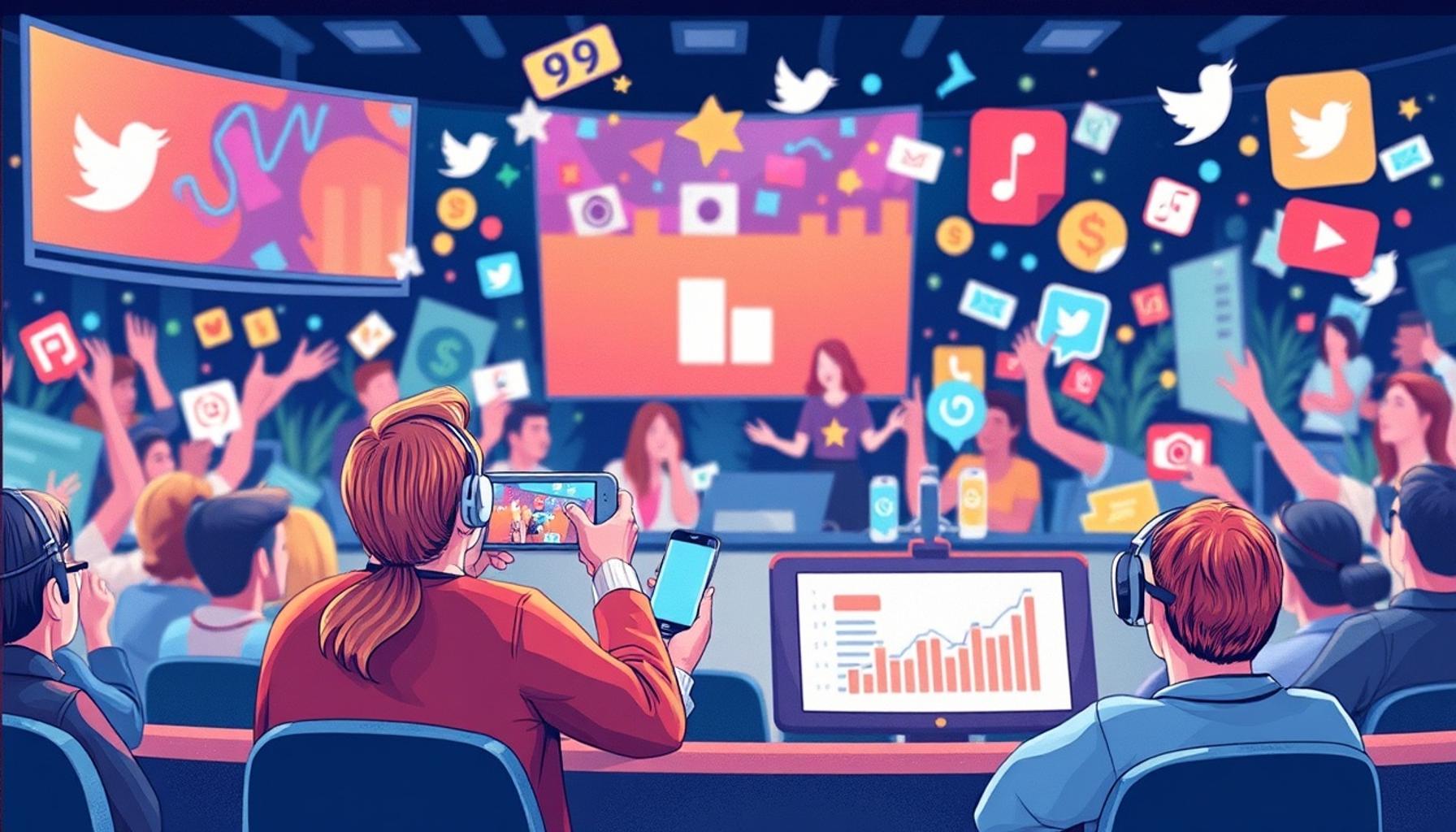
- Live-tweeting episodes: Fans share real-time reactions on platforms like Twitter during broadcasts, creating a shared viewing experience. This phenomenon transforms solitary viewing into a communal event, as people can express their excitement, grief, or shock over a crucial scene with others watching simultaneously. This was particularly evident during the final season of “Game of Thrones,” where tweets surged to millions per episode as viewers engaged in lively discussions.
- Fan theories: Social platforms serve as hubs for discussions that dissect plotlines, leading to deeper engagement. Subreddits dedicated to shows such as “Stranger Things” or “The Crown” offer fans opportunities to theorise about future episodes, dissect character arcs, or even speculate on potential spin-offs. These theories can often create buzz, influencing how the series evolves and fostering a sense of ownership among viewers.
- Fan art and memes: Creative expressions on platforms like Instagram and Twitter contribute to the show’s culture. Talented fans actively create visual content that reflects their love for a series, disseminating it through hashtag movements. For instance, meme culture surrounding shows like “The Office” continues to thrive, even years after its conclusion, showcasing how social media keeps the dialogue alive long past the initial airing.
These dynamics highlight a new era of connectivity. Streaming platforms like Netflix and Amazon Prime Video don’t just showcase content; they invite audiences to become part of a broader conversation. This interaction allows fans not only to influence market trends but also to contribute directly to the creative dialogue surrounding their favourite series.
Moreover, data shows that shows with a strong social media presence, like “The Witcher,” often enjoy higher viewership rates, indicating that audience engagement directly influences a series’ success. The interactive landscape means fans’ social media activity creates buzz, potentially attracting new viewers who may not have initially considered watching a show. As fans move beyond mere spectatorship, their interactions on digital platforms shape not just their viewing experiences but also the future of streaming content.
Understanding this relationship between social media and streaming series invites a closer examination of how fans connect and engage in the digital age. The implications for both creators and audiences are profound, suggesting that the ongoing evolution of television is not just about the stories told but also about the communities built around them. What strategies can creators adopt to harness this engagement? How can audiences continue to shape the narratives they love? These are the questions propelling forward this fascinating conversation.
The Power of Connectivity
In today’s digital realm, the intertwining of social media and streaming series goes beyond mere promotion; it engenders a vibrant ecosystem where audiences are transformed into active participants. This transformation has dramatically reshaped how fans connect and engage, leading to a substantial impact on viewing habits and cultural conversations surrounding television. The fluid exchange of thoughts and ideas among spectators fosters a uniquely interactive landscape.
One compelling aspect of this phenomenon is the way social media platforms serve as the modern-day forum for fans to congregate, share, and create. Especially during milestone events—season finales, major character arcs, or series renewals—conversations explode across various platforms. Fans take to Twitter, Facebook, and Instagram, enabling a plethora of formats for dialogue. The utilisation of hashtags further facilitates this connection, with tags like #WitcherWatchParty and #StrangerThings becoming rallying points for fans. This brings about a sense of belonging and community, often referred to as “fandom culture.”
Research supports the significance of this social engagement, emphasising how the notion of community can lead to increased viewer loyalty. A report from the British Film Institute (BFI) indicates that over 70% of avid series watchers often participate in discussions online, whether through comments, shares, or dedicated fan pages. The report outlines not only an increase in viewership but correlates these interactions with a greater share of fandom’s influence on viewing choices amongst peers.
Consider the following dynamics that encapsulate how audience interaction is reshaping the streaming landscape:
- Curated Watch Parties: Many fans organise virtual watch parties, using platforms like Zoom or Discord to experience episodes simultaneously. This creates an environment akin to traditional viewing parties, allowing for real-time reactions and conversations that enhance the collective experience.
- Behind-the-Scenes Content: Creators often share sneak peeks or engage with fans directly through platforms like Instagram Live or TikTok, humanising the production process. This behind-the-scenes access breaks down barriers between creators and audiences, inviting fans into the fold and building a more intimate connection.
- Merchandise and Trends: Social media has birthed entire marketing strategies that capitalise on trending topics and viral moments. Exclusive merchandise drops or themed events often occur in tandem with social media buzz, encouraging fans to engage not just online but also through purchases, further intertwining their fandom with economic support.
This dynamic serves not only to elevate the conversation around a series but also to challenge conventional media narratives. When fans feel their voices are heard, they become part of the storytelling fabric, influencing everything from plot directions to character developments. As a result, a symbiotic relationship emerges between creators and viewers, leading to an enriched viewing experience. Yet, the implications extend further: how does this developing ecosystem affect the creative process, and what can creators learn from the fervour surrounding engagement on digital platforms?
By exploring these questions, we delve deeper into how social media is not just a supplementary tool but a pivotal player in shaping the very fabric of streaming series and audience interaction.
| Category | Key Features |
|---|---|
| Real-time Feedback | Social media platforms enable fans to share immediate reactions during live streaming, creating a dynamic viewing experience and fostering community discussions. |
| Community Building | Fans can connect through dedicated fan pages, forums, and hashtags, leading to stronger relationships and deepening their engagement with the content. |
The surge in social media use has transformed how audiences interact with streaming series. Platforms like Twitter and Facebook act as virtual lounges where fans share their excitement, critiques, and theories in real time. This immediacy enhances viewer satisfaction and broadens the reach of families beyond the initial streaming event, underscoring the importance of social media in shaping viewer experiences.Moreover, community building has become a focal point for many fans. The rise of online fan clubs and specific interest groups allows enthusiasts to engage with shared content settings around streaming series they adore. This sense of belonging not only increases viewership loyalty but also empowers fans to influence content decisions through collective opinions expressed on various social media platforms. By leveraging hashtags and participating in trending conversations, audiences can boost visibility for their favorite shows, demonstrating the profound impact of audience interaction on content creation and marketing strategies.
The Evolution of Fandom Dynamics
As the landscape for streaming series continues to evolve, so does the nature of audience interaction. Social media platforms are not simply vehicles for communication; they are actively influencing fandom dynamics and expanding the cultural footprint of series. One of the most striking features of these digital platforms is their ability to facilitate both community building and real-time participation, allowing fans to engage in more complex interactions that extend far beyond the screen.
Fan-driven Content Creation is a notable trend in this domain. Platforms like TikTok and YouTube have emerged as bustling hubs where fans create fan theories, reviews, and even remixes of their favourite moments. This user-generated content has become a powerful influence, often surpassing traditional media in shaping audience perceptions. For instance, trends like “#TheoriesAboutStrangerThings” on platforms like TikTok enable fans to speculate on plot lines and character arcs, fostering excitement and engagement prior to each season’s release. Such interactions not only enhance individual viewing experiences but also solidify community ties as fans feel empowered to contribute to the conversation.
Moreover, the role of influencers and micro-influencers cannot be overlooked. These individuals, who often have dedicated followings, possess the unique ability to create buzz around particular series through curated content and discussions. A report by the UK Institute for Creative and Cultural Entrepreneurship (ICCE) highlighted that nearly 60% of younger viewers claim that online influencers significantly impact their viewing choices. By participating in campaigns and promotional content, these influencers act as trusted voices within their communities, driving fans towards series while enriching the overall discourse.
Live-Tweeting and Real-Time Engagement represents yet another layer of this digital interaction. During live episodes or special events, platforms like Twitter witness intense activity as fans share candid reactions and commentary. This multi-layered engagement transforms individual viewing into a collective experience, with hashtags serving as threads that connect numerous conversations across the globe. For example, shows like “The Great British Bake Off” have audiences glued to their screens not just for the show but for the vibrant social media discourse surrounding it. Engaging in real time allows fans to feel like they are part of a larger community experience, deepening their investment in the series.
Furthermore, platforms such as Reddit are fertile grounds for discussion and speculation. Subreddits dedicated to particular series enable in-depth meta-analysis and foster discussions that may not take place in casual fan circles. These discussions include everything from character arcs to sociocultural critiques, adding depth to the fandom and enriching the viewer’s experience. Interesting findings from the Canadian Journal of Communication indicate that communities formed around Reddit discussions often lead to sustained interest in the series beyond its airing lifespan, thereby creating a continual loop of engagement.
This phenomenon of social media extending the lifecycle of streaming series poses intriguing questions for creators: How might they harness this engagement to inform future projects? Understanding audience sentiments through social media interactions can offer critical insights into what resonates with viewers, potentially influencing narrative direction and character development.
As streaming services continue to diversify their content offerings, the integration of social media into the marketing and storytelling processes will likely become an essential component. The impact of social media on audience interaction goes beyond fandom culture; it shapes how stories are told and received, opening new avenues for creative exploration and audience connections.
Conclusion: Redefining Fandom in the Digital Age
The intersection of social media and streaming series has undeniably transformed the landscape of audience interaction, fostering a vibrant ecosystem where fans connect and engage like never before. Platforms such as TikTok, Twitter, and Reddit are not merely extensions of viewership but rather catalysts for deeper participation and community-building. This evolution underscores the significance of fan-driven content creation, wherein audiences take ownership of narratives, speculate on plot arcs, and curate discussions that extend a series’ life well beyond its original airing.
Moreover, the role of influencers and micro-influencers has added another dimension to this dynamic, shaping viewing habits through their reach and recommendations. Their input has become a key driver in directing audiences to new content, thus highlighting the intricate relationship between social media engagement and viewing choices. As evidenced by the data from the UK Institute for Creative and Cultural Entrepreneurship (ICCE), younger audiences now often rely on these voices, indicating a shift in the traditional paradigms of television marketing and promotion.
As streaming platforms increasingly recognise the power of this social media synergy, they must begin to embrace it as an integral element of their marketing strategies and storytelling processes. By tapping into audience sentiments harvested from social interactions, creators can cultivate richer narratives and character development, ensuring that their stories remain relevant and engaging over time. The reality is clear: the influence of social media on audience interaction is likely to continue evolving, reshaping not just how fans connect with their beloved series, but also how they experience and treasure them in this ever-digital world.