Comparing Film Production: American vs. British Streaming Platforms
Transformations in Film Production
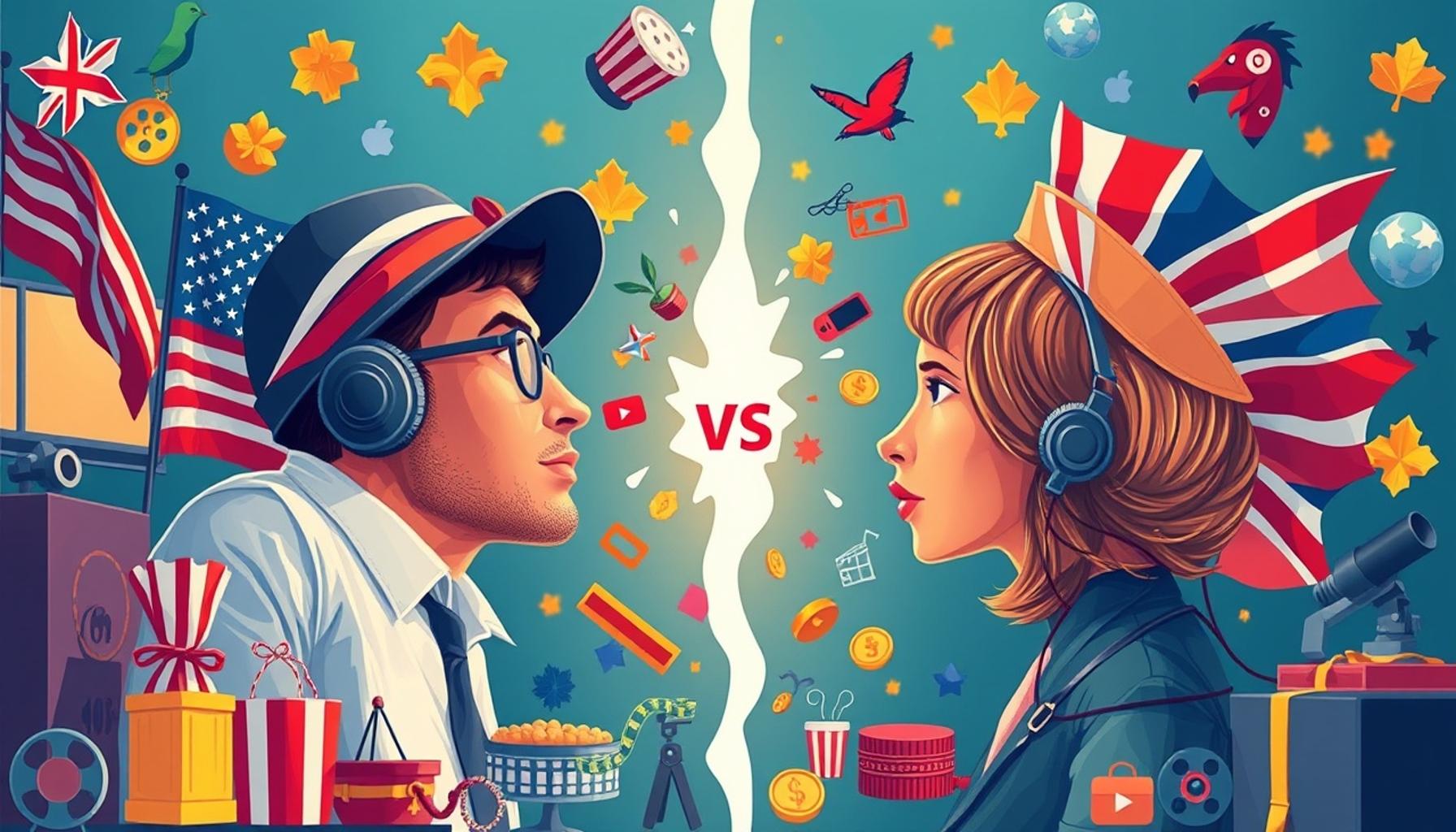
The landscape of film production has undergone dramatic shifts, particularly due to the advent of streaming platforms. As these services continue to proliferate, audiences now have a treasure trove of content at their fingertips. Notably, both American and British platforms offer distinctive programming that encapsulates their respective cultures and unique storytelling approaches. This diversity can enrich the viewing experience, providing a broad spectrum of narratives that resonate in various ways. By studying the contrasts between these platforms, we gain invaluable insights, both as spectators and creators.
Content Variety
One of the prominent differences lies in content variety. American streaming platforms such as Netflix and Amazon Prime Video boast an extensive catalog that spans multiple genres—from blockbuster action films to niche indie projects. For instance, shows like Stranger Things encapsulate a fusion of science fiction and nostalgia, appealing to a wide demographic. In contrast, British platforms such as BBC iPlayer tend to concentrate on quality over quantity. The hallmark of British storytelling often merges humour and drama, exemplified by series like Fleabag, which deftly navigates emotional complexity while delivering sharp wit.
Production Values
The production values of films and series vary significantly between the two regions. The U.S. industry typically allocates hefty budgets towards high-octane visual effects and grandiose settings. This is evident in productions like The Mandalorian, which showcases cutting-edge visual technology. Conversely, British content may prioritize narrative depth and character exploration, often utilising authentic locations and relatable storylines. A poignant example is Things We Never Said, a film that focuses on interpersonal relationships rather than extravagant production elements, yet resonates profoundly with audiences.
Originality
When it comes to originality, there is a notable distinction in focus. British platforms often prioritise original content that delves into societal themes, tackling pressing issues like class disparities and mental health. Series like I May Destroy You address complex topics in a manner that challenges viewers to reflect critically on societal norms. In contrast, American platforms frequently invest in established franchises, catering to fan bases and ensuring corporate backing with series like The Marvel Cinematic Universe. This focus on franchises may sometimes stifle innovation, leading to repetitive storytelling.
In this exploration of streaming platforms, we observe how cultural nuances shape film and television production across the Atlantic. By understanding these distinctions, viewers can gain a richer appreciation of the content available to them, while filmmakers can draw inspiration from both sets of practices to innovate and expand their storytelling horizons.
DIVE DEEPER: Click here to uncover the latest trends
Cultural Reflections in Storytelling
When examining the output of American and British streaming platforms, one cannot overlook the profound cultural reflections embodied in their storytelling methods. Each nation brings its own historical, social, and cultural contexts into the narratives they create, influencing what audiences consume and how stories are told.
Character Development
In American productions, there tends to be a focus on larger-than-life characters whose journeys often revolve around epic conflicts or dramatic arcs. These character developments frequently follow a formula that ensures a broad appeal, often featuring themes of heroism, individualism, or redemption. A prime example is Breaking Bad, where the protagonist’s transformation from a meek chemistry teacher to a drug kingpin encapsulates the pursuit of the American Dream—albeit through a morally questionable lens.
On the other hand, British streaming platforms often prefer a more subtle approach to character development. British narratives frequently explore the intricacies of human relationships and personal growth over time. The series Normal People is a noteworthy illustration of this trend, delving into the complexities of love, friendship, and mental health, all while showcasing the characters’ vulnerabilities in an authentic setting.
Humour and Tone
The use of humour also varies significantly between American and British content. American productions often lean towards broad comedic styles, appealing to mass audiences. Sitcoms like The Office (US version) use slapstick and exaggeration, reaching for laughs through fast-paced dialogue and situational comedy. This approach aims to entertain as broadly as possible, sometimes at the cost of nuance.
In contrast, British humour is often characterised by its wit and irony. It’s common to find more dry, understated comedic elements that rely on clever dialogue and relatable scenarios. Shows like Peep Show exemplify this style, offering humour that invites viewers to engage more thoughtfully with the characters’ misadventures rather than simply laughing along. This difference in tone can heavily influence how audiences interpret and connect with the material.
Genre Exploration
Another notable aspect is the genre exploration in the content produced. American streaming platforms cater to a diverse audience by exploring a wide range of genres, ensuring that there is something for everyone. Viewers can select from high-energy action series, romantic comedies, and thought-provoking dramas all within a single platform. The sheer volume of content available exemplifies America’s dynamic entertainment landscape.
- Action and Thriller: Series like Ozark create tension while captivating audiences with their intricate plots.
- Animation: Platforms like Hulu offer animated series such as Solar Opposites, appealing to both children and adults.
- Documentaries: American platforms’ documentaries like Making a Murderer take storytelling to new realms, blending educational content with entertainment.
British platforms tend to focus on fewer genres but excel in them, often creating series that are deeply resonant and thought-provoking. Because of this focus, British platforms might produce fewer series, but they emphasise strong narratives and character-driven plots. In this way, the dichotomy between American and British streaming platforms provides a rich tapestry of content that reflects their differing cultural perspectives.
DIVE DEEPER: Click here to learn more
Production Values and Aesthetic Choices
Production values are a critical aspect when comparing American and British streaming platforms, as they illustrate the different approaches each takes in terms of visual storytelling. The budgetary allocations and technical resources give rise to distinct aesthetic choices that shape the viewer’s experience.
Budget and Scale
American streaming platforms typically enjoy **larger budgets**, allowing for grander productions and extensive special effects. Shows like The Mandalorian, with its innovative use of technology and high-end visual effects, highlight this trend. The striking visual landscapes and elaborate sets create immersive experiences that can rival big-budget films. These considerable investments often translate into extensive marketing campaigns, ensuring widespread audience reach and engagement.
In contrast, British productions often work with more modest budgets. However, they excel at crafting compelling narratives through focused storytelling rather than relying heavily on spectacle. The series Bodyguard, while not as extravagant in its visual effects, captivates viewers with taut storytelling and well-developed characters. This difference in scale can lead to a more intimate viewing experience, encouraging audiences to connect more deeply with the plot and characters.
Cinematography and Directorial Styles
Cinematography also differs significantly between the two. American productions often favour a polished and glossy aesthetic, utilising extensive post-production techniques to enhance the visuals. For example, the visually stunning series Game of Thrones employed sweeping cinematic shots to create an expansive world that drew viewers into its rich lore. This approach often places an emphasis on spectacle, inviting audiences to be awed by the vastness of the production.
British productions, however, tend to utilise a more naturalistic style in their cinematography. With an emphasis on authenticity, series like Fleabag forgo excessive visual flair in favour of relatable settings and characters. This understated style allows the storytelling to take precedence, making the characters’ emotional journeys feel grounded and realistic. The choice of locations—often set in familiar British environments—further enhances viewer relatability and engagement.
Genres and Narrative Innovation
The emphasis on genre also diverges, contributing further to the unique identities of American and British platforms. American platforms frequently explore high-concept genres such as science fiction or fantasy, often filled with ambitious world-building. This results in series like Stranger Things, which blends ’80s nostalgia with supernatural elements, revealing a penchant for extravagance and elaborate mythologies.
- Drama: Series like The Crown on Netflix exemplify the British approach to period dramas, where historical accuracy and character depth reign supreme.
- Thriller: British crime dramas such as Luther tend to focus on psychological depth, exploring moral complexities rather than relying solely on action.
As a result, British productions often prioritise innovation within established genres. The mixture of formats and imaginative storytelling in shows like Black Mirror set it apart, questioning societal norms through speculative narratives. These different genre leanings reflect cultural priorities and thematic interests, shaping how each nation expresses creativity in film production.
DIVE DEEPER: Click here to explore the evolution of content consumption</p
Conclusion
In conclusion, the examination of American and British streaming platforms reveals distinct approaches to film production, shaped by budget, aesthetic choices, and narrative styles. While American platforms benefit from **larger financial resources** that facilitate high-budget productions complete with extensive special effects, British counterparts often allocate their budgets to develop **rich, character-driven narratives** that resonate deeply with audiences. This emphasis on storytelling is a hallmark of British television, allowing for a more intimate view of the characters and their journeys.
The differences in cinematography and directorial styles also highlight the cultural nuances that inform each nation’s output. American productions often curate a **polished visual experience**, appealing to viewers with grand spectacles. In contrast, British series like **Fleabag** harness a more naturalistic style that prioritises authenticity, creating relatable environments that foster emotional connections. This stylistic choice allows British productions to excel in genres that explore psychological depth and complex moral landscapes.
Moreover, the diversity in genres and innovative narrative techniques reflect the unique cultural priorities of each country. While American platforms delve into expansive worlds of fantasy and science fiction, British storytelling often challenges societal norms, as seen in series like **Black Mirror**. Ultimately, these contrasting approaches contribute to a vibrant landscape of content available across streaming platforms, providing audiences with diverse viewing experiences. The richness of both American and British productions serves to highlight the beauty and creativity inherent in global storytelling, reminding us of the myriad ways in which film can connect us across cultures.

Linda Carter
Linda Carter is a writer and expert known for producing clear, engaging, and easy-to-understand content. With solid experience guiding people in achieving their goals, she shares valuable insights and practical guidance. Her mission is to support readers in making informed choices and achieving significant progress.